
Industry
How Much Do DJs Make in Atlanta? The Rate, the DJ Tax and Who Gets Paid First


Most club DJs in Atlanta get offered $150 to $200 a set. After parking, tip-outs and the hours of prep nobody sees, the take-home is a lot smaller than that number. And on a lot of nights, the DJ driving the room is the lowest-paid person working it.
I've been DJing in this city for years, and I've seen every version of that math. Here's how the money actually moves on a club night, what it costs me to show up, and the one change that got me paid right.

The Number on the Booking Isn't the Take-Home
Everybody talks about a DJ's rate. Nobody talks about what it costs the DJ to show up. Picture a typical night where the booking pays $200.
| What comes out of it | What that looks like |
|---|---|
| Parking | Some venues still have the DJ paying to park, and at some it's $20 |
| Tip-outs | Tipping the hookah staff and others, before I've played a record |
| Prep | A full day of downloading music, organizing crates and warming up for one gig |
| Gear and music | Record pool subscriptions and equipment, paid for long before the night |
Twenty dollars to park gets me heated every single time. Now put the whole night next to what the room is making. If the venue is pulling 20K on the night and the DJ gets a couple hundred before expenses, how is that fair?
Why Atlanta Rates Get Squeezed
Atlanta is a saturated market. Everybody's a DJ, and a lot of venues offer $150 to $200 a set because they know someone will take it. That's the squeeze.
The talent here is some of the best anywhere. But when there's always a cheaper option, the rate conversation starts at the bottom, and the DJ who doesn't know their own costs ends up working nights that barely break even.
Everybody Eats Before the DJ
Think about how the money flows. The owner wants their cut. Then the promoter wants theirs. The bottle girls can make more off one night. There are nights the parking valet out front makes more than the DJ.
Everybody in the building is eating off a night the DJ is, in large part, driving. When you walk into a club and the energy is right, that didn't happen by accident. A DJ is reading the room song by song, deciding what to bring in and when. The respect and the pay have to match that work, and in this city they usually don't.
It's not only money. There's a difference between booking a DJ and valuing one. When the deal runs through the promoter and then the owner, the DJ can get lost in the middle and treated like the least important person in the room.
Going Direct to the Owner
I spent real time DJing for promoters and watching the money get split three ways before it reached me. So over the last year and a half, I went a different route. I started going to the GM and the owner directly and getting paid by them.
There are now a few clubs where I'm on direct deposit. No stress, no waiting, just my rate. We're too grown to be waiting on money. DJs have bills and a life outside of this.
That doesn't make promoters the enemy. I still work with a few on certain nights, and I've got great relationships there. I may not always get my full rate, but they show me love and it's organized. The point is to build relationships where you're respected and paid right, instead of being last in line.
Know Your Value, Then Price It
If you're a DJ who actually brings people out, sells sections and fills the room, you should be paid like it, because the venue is already making serious money off that night. A basic DJ who just shows up and plays gets a basic rate. A DJ who sells the club gets paid like a DJ who sells the club.
That's why my rate is what it is, and why I protect it. When I take a weekend set, I know my number and I hold it, because the rate has to cover the DJ tax nobody puts on the invoice. If the rate's not there, there's no point going.
What I'd Tell Any Atlanta DJ
- Write down your real costs. Parking, tips, prep hours and your music subscriptions all come out of the fee.
- Price for those costs. That's not greed. That's accounting.
- Build the direct relationship. Get on terms with the GM or owner where you're not chasing a check.
- Keep the good promoters close. The organized ones who show love are worth working with, even below your full rate.
- Prove the value. When you bring people out and sell sections, that's your argument in every rate conversation.
Cutting the cheap nights is also how I started making more money on fewer gigs. I break that down in how I cut my DJ nights in half and built a brand.
If You're the One Booking the DJ
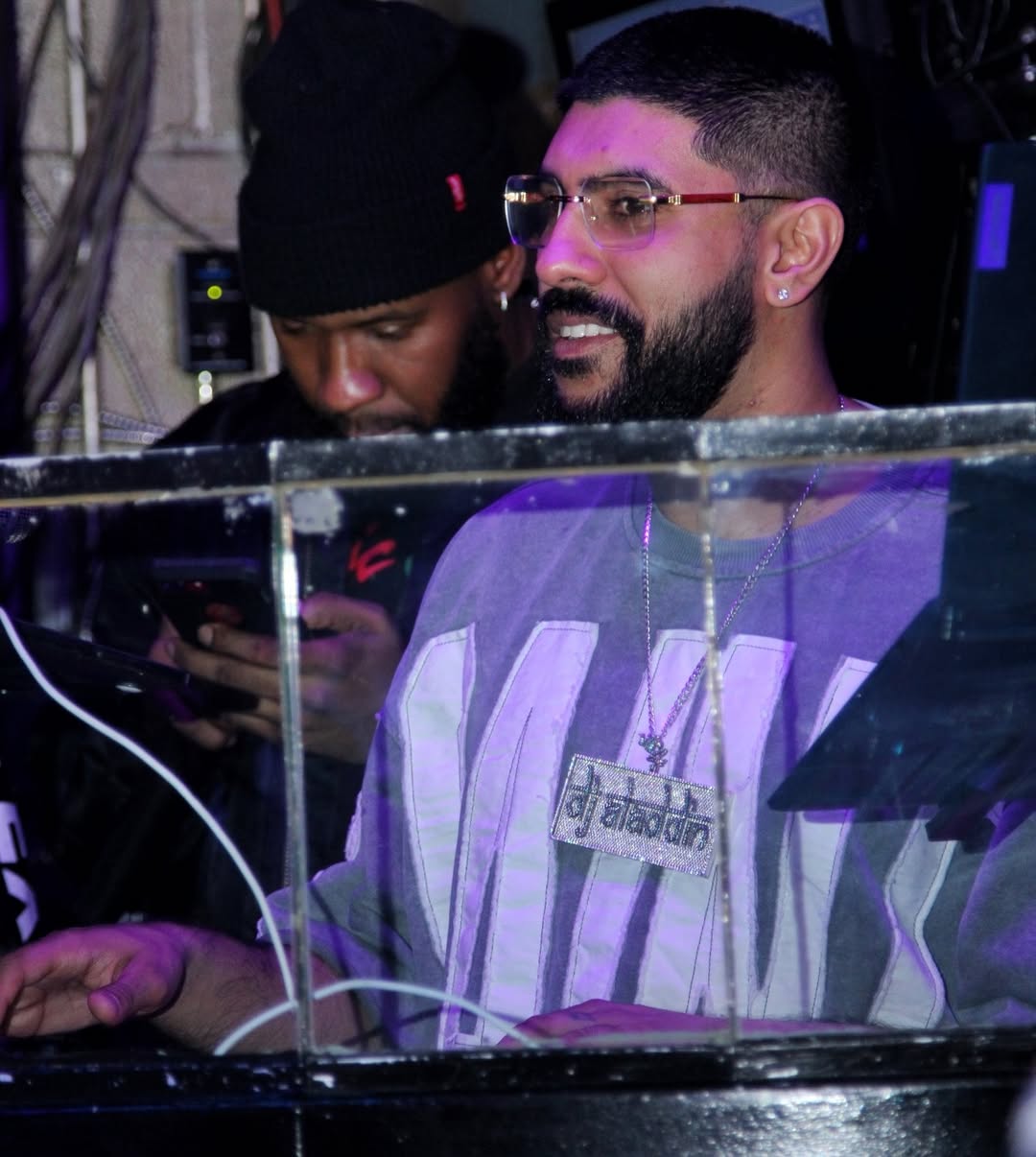
Now you know what's behind the number. A DJ who's upfront about rates and costs is a DJ who treats your event like a business. If you're planning a night in Atlanta, inquire about booking DJ Aladdinn and include your date, venue and guest count. Before you book anyone, read the questions to ask a DJ before booking.
Frequently Asked Questions
How much do club DJs get paid in Atlanta?
A lot of Atlanta venues offer $150 to $200 a set, because the market is saturated and someone will take it. DJs who bring people out and sell the room can command more, especially when they deal directly with the venue owner.
What does it cost a DJ to play a club night?
Beyond gear, a DJ often pays to park (sometimes $20), tips out staff such as the hookah team, and spends a full day preparing for one gig. A $200 booking can shrink fast before it becomes take-home pay.
Should a DJ work with promoters or venue owners?
Both have a place. DJ Aladdinn still works with a few promoters he trusts, but he built direct relationships with GMs and owners at several clubs, which cut out the pay split and the stress of chasing money.
Why are DJs underpaid in Atlanta?
The owner, the promoter and the staff all get paid off a night the DJ is driving, and the DJ is often last in line. In a saturated market, venues know a cheaper DJ is always available, so rates stay low unless the DJ can show the value they bring.