
Booking
What's Included in a DJ Package for a Private Party?
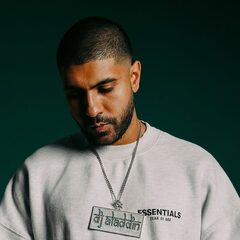

"Package" means different things to different DJs, and that's where most of the confusion in quotes comes from. One DJ's package is a laptop and two speakers. Another's is a full sound and lighting rig with a second mic for toasts. Here's what a real private-party package should cover, how it grows with your guest list, and what usually gets quoted on top.
The Short Answer
A standard private-party package includes:
- The DJ for a set number of hours, usually four
- Sound sized to your guest count, with a subwoofer if there's a dance floor
- Basic dance-floor lighting
- At least one wireless microphone for toasts and announcements
- Setup and breakdown around your event, not inside your hours
- A planning conversation about your crowd, your must-plays, your do-not-plays and the timeline
Anything beyond that, like extra speakers, uplighting, a second room or a ceremony setup, is usually an add-on.
The Core Pieces
Sound
Speakers are the part people only notice when they're wrong. A living-room party for 40 needs a lot less than a 200-person birthday in a Westside event space with high ceilings. A real package puts speakers on stands, adds a subwoofer for anything with a dance floor, and is sized to the room, not just turned up louder.
Lighting
A couple of moving-head or wash fixtures aimed at the dance floor is enough to say "this is where you dance" without turning a backyard into a nightclub. Room uplighting, monograms and haze are separate. If your venue has rules on fog or haze, say so early.
Microphones
One wireless handheld mic covers toasts, a happy-birthday moment and announcements. If you have several speakers, a host or anything like a ceremony, ask for a second mic and a stand.
Booth, power and cabling
You still need a table, power and clean cable runs, taped down so nobody trips in the dark. Power matters more than people expect. A modest rig runs fine on one household circuit; a full sound and lighting setup usually wants two.
Planning Is Part of the Package
The hours before the party matter as much as the hours at it. The planning conversation is where the shape of the night gets decided: who's coming, what the energy should feel like at dinner versus at midnight, and the songs you absolutely don't want. I play open format, so the set gets built around your room instead of one genre. That conversation is how I know which way to lean.
What to bring to that conversation
- Guest age range and roughly how many people
- Three to five artists that capture the feeling you want
- Your do-not-play list, which is often more useful than your request list
- Any moment that needs a specific song: a cake cut, a grand entrance, a first dance
- The venue name, load-in details and the hard end time
How a Package Scales With the Party
Bigger rooms need more gear, not just more volume. Treat this as a planning guide, not a price sheet. Room acoustics change the answer.
| Guest count | Typical speaker setup | Lighting | Microphones |
|---|---|---|---|
| Up to 50 | Two speakers on stands | One or two dance-floor fixtures | One wireless handheld |
| 50 to 125 | Two speakers plus a subwoofer | Two to four fixtures | One handheld, second optional |
| 125 to 250 | Mains, sub, possible fill speakers | Four or more, uplighting common | Two mics, wired backup |
| Outdoor or multi-room | A separate system per zone | Depends on ambient light | Two mics minimum |
Outdoor parties are their own category. Sound spreads out instead of bouncing off walls, so you need more output for the same energy, plus a plan for weather and power. Atlanta summers mean afternoon storms; a covered spot for the booth isn't optional.
How I Actually Do It
Atlanta private parties happen in very different rooms. A Buckhead lounge buyout with built-in sound and a house engineer is a different job from a Gwinnett backyard where everything, power included, has to come in with me. Both work. They just need different conversations ahead of time, which is why the venue is one of the first things I ask about.
Add-Ons People Forget to Ask About
Overtime is the big one. If the party is going well and you want another hour, know the rate before the night starts so it's a quick yes instead of a negotiation at midnight. Early setup is the other: venues that need the DJ loaded in and silent before guests arrive add an hour or two of labor.
Common extras:
- Uplighting around the room
- A second sound zone for cocktails, a patio or a separate room
- Ceremony or program audio with its own small system
- Travel beyond the usual service area
Mistakes I See Clients Make
- Assuming "sound system" means the same thing to every DJ. Ask what's included, by piece.
- Handing over a four-hour playlist. It locks the DJ out of reading the room. Give direction and a do-not-play list instead.
- Forgetting the timeline. A plan that leaves 45 minutes for dancing can't be fixed by better gear.
- Not asking who exactly will DJ. Make sure the name on the contract is the person in the booth.
Why Open Format Matters at a Private Party
A private-party crowd is rarely one crowd. You'll have aunties, cousins in their twenties and coworkers who only dance to songs they know. Open format means moving between hip-hop, R&B, Afrobeats, amapiano, Latin, house and throwbacks without the transitions feeling like a hard stop. The skill isn't knowing every song. It's seeing which corner of the room is about to sit down and getting there first. It's the same instinct I use every weekend at my Buckhead residencies, which draw 600+ people a night.
Questions to Ask Before You Book
- How many hours of performance are included, and when does the clock start?
- Is setup and breakdown inside or outside those hours?
- What's the backup plan if a piece of gear fails?
- Who will be DJing, by name?
- What's the overtime rate?
For what those packages actually cost, read what a DJ charges per hour for a private party. For the gear itself, see what equipment a DJ brings to a private party.
Book Your Package
Tell me the date, the venue, the guest count and the kind of night you want, and I'll put together a package that fits that room. Request a quote for your private party, or see where I'm playing next in Atlanta to hear a set first.
Frequently Asked Questions
What is included in a standard private party DJ package?
A standard package covers the DJ for a set number of hours, a sound system sized to the guest count, basic dance-floor lighting, at least one wireless microphone, setup and breakdown, and a planning conversation about music, the do-not-play list and the timeline. Extra speakers, uplighting and a second room are usually quoted on top.
How long is a typical private party DJ package?
Four hours is the common baseline, with setup and breakdown handled outside that window. Confirm in writing whether the hours start at guest arrival or at the first song.
Does the DJ bring lighting, or do I need to rent it?
Basic dance-floor lighting is normally part of a private-party package. Room uplighting, monograms and anything mounted to walls or truss are usually separate. If the venue has its own lighting, ask whether the DJ can run it or whether house staff controls it.
Can I give the DJ a playlist?
Yes. A short must-play list and a do-not-play list are genuinely useful. A full four-hour playlist is less useful, because it takes away the DJ's ability to react to the room. Give direction on the feel you want, then trust the read on the night.
What do I need to provide at the venue?
Power near the booth, a table if the venue does not supply one, and clear load-in access. Outdoor parties need cover from weather. Tell the DJ about parking, stairs or a long carry so setup runs on time.
How far in advance should I book a DJ in Atlanta?
As early as you can for Saturdays, holiday weekends and graduation season, because those dates fill first. Weeknights and Sundays are more flexible. If your venue is confirmed, reach out the same week.